


Week Highlights
-
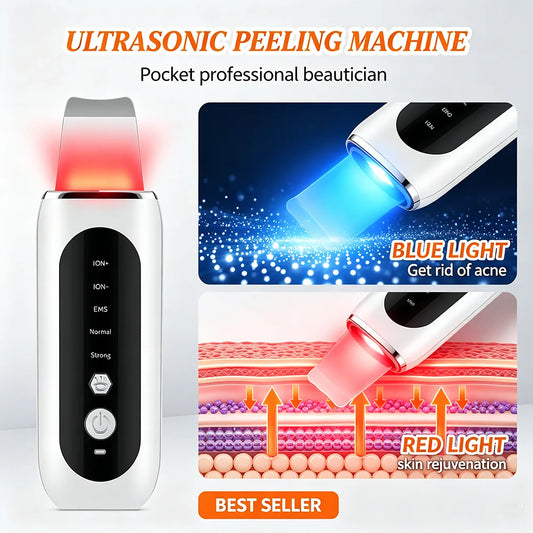
Ultrasonic Skin Spatula: Red & Blue Light Therapy
Regular price $13.50 USDRegular price$15.64 USDSale price $13.50 USDSale -
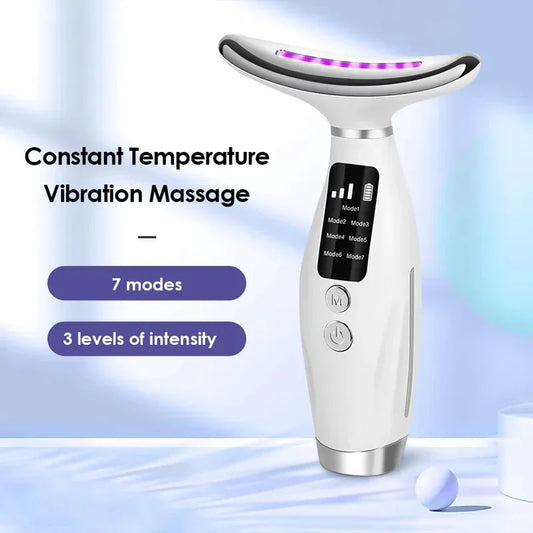
7-Color LED Neck & Face Lifting Massager
Regular price $10.00 USDRegular price$15.00 USDSale price $10.00 USDSale -
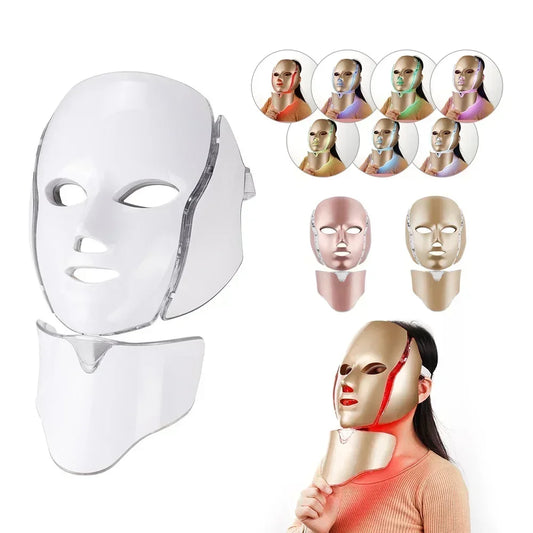
7-Color LED Anti-Aging Facial & Neck Mask
Regular price $39.20 USDRegular price$49.20 USDSale price $39.20 USDSale -
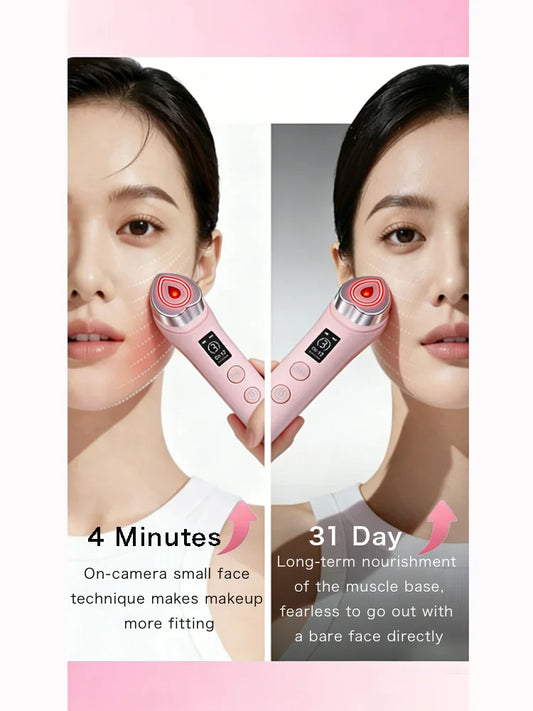
5-in-1 RF Facial Anti-Aging Device
Regular price $66.99 USDRegular price$100.00 USDSale price $66.99 USDSale




This is what they are saying about us
Excellent 4.8/5 stars

"I’ve spent thousands on facials, but this red light tool gives me the exact same glowing results at home. My skin feels incredibly plump, and those fine lines around my eyes are already fading. I’m completely hooked."
Worth every penny.
Hannah C, 45

I was dealing with so many stubborn breakouts until I tried the blue light setting on this device. It has completely calmed my skin in less than two weeks. I use it every single night while watching TV. So worth it!"
Obsessed with these!
Mia, 37

“I bought this on a whim after seeing it on TikTok, and it's easily the best part of my skincare routine now. The combination of red and blue light has balanced my skin tone completely. If you're on the fence, just buy it!"
Beyond impressed!
Raia M, 58


*In a consumer study of participants aged 39-66
How does light therapy work?

What's the Difference Between Red and Blue Light Therapy?
Red light therapy works by supporting the mitochondria—the “powerhouses” of the body’s cells. By enhancing energy production, red light therapy helps cells operate more efficiently, promoting skin repair and rejuvenation.
Blue light therapy is primarily used to treat acne. Because it penetrates only the outer layers of the skin, it targets conditions at or just beneath the surface. Blue light destroys P. acnes bacteria, one of the main contributors to breakouts, thereby reducing inflammation and preventing future blemishes.